
Contents
Current advances in robotics
The field of robotics is constantly evolving, with ever more impressive technological advances. In recent years, many advances have been made in the field of robotics, from design to artificial intelligence. In this article, we explore some of the most significant advances in robotics today.
Collaborative robots
Collaborative robots, also known as cobots, are designed to work in collaboration with humans. Thanks to their sensors and advanced artificial intelligence, they are able to detect human presence and adapt to their environment. Cobots are increasingly used in industry to perform repetitive and hazardous tasks alongside human workers. Brands such as Universal Robots and Rethink Robotics specialize in the manufacture of cobots.
Service robots
Service robots are designed to help humans in their daily lives. Whether for housework, parcel delivery or even assisting the elderly, service robots are on the increase. Companies such as SoftBank Robotics with their Pepper robot, or Boston Dynamics with the Spot robot, are leaders in this field. These robots are true assistants, capable of understanding and adapting to users' needs.
Autonomous robots
Autonomous robots are robots that can move and perform tasks independently, without human intervention. These robots use technologies such as computer vision and machine learning to navigate their environment and make decisions in real time. American manufacturer Tesla is known for its autonomous driving system in its cars, while Starship Technologies specializes in autonomous delivery robots.
Medical robots
Medical robots have revolutionized the field of medicine. Machines like the Da Vinci robotic surgeon enable surgeons to perform complex operations with the utmost precision. These robots are equipped with mechanical arms and miniature cameras that offer 3D vision, enabling surgeons to perform precise, less invasive gestures. Medical robots are used in many fields, including cardiac surgery, urology and gynecological surgery.
Artificial intelligence in robotics
Artificial intelligence plays a crucial role in advances in robotics. Robots are increasingly capable of learning and adapting to their environment, thanks to machine learning algorithms. This enables them to improve their performance as they are used. Companies such as Google's DeepMind project and IBM's Watson supercomputer are working on artificial intelligence systems that enable robots to perform complex tasks autonomously.
The impact of robotics on our society
The impact of robotics on our society
The rise of robotics over the last few decades has brought about significant changes in many aspects of our society. From industrial robots to domestic robots and drones, this technology is evolving rapidly and affecting more and more areas. In this article, we'll explore the different impacts of robotics on our society and the implications they have on our daily lives.
Industrial revolution
Robotics has revolutionized the manufacturing industry, automating many tasks previously performed by human workers. Industrial robots are capable of working non-stop, with unrivalled precision and speed. This has led to increased production, reduced labor costs and improved product quality. However, this automation has also had an impact on employment, replacing some traditional jobs with machines.
Robotics in the service sector
Robotics is not confined to the industrial sector, but is also making inroads into the service sector. More and more robots are being used in hospitals, hotels, restaurants and even retirement homes to assist staff, provide care for patients and the elderly, and offer an enhanced customer experience. Service robots can perform certain repetitive or dangerous tasks, enabling workers to concentrate on more complex, higher value-added tasks.
Impact on employment
Increasing automation through robotics has raised concerns about the future of employment. While some jobs are being replaced by robots, new jobs are also being created in the field of robotics and technology. It is therefore essential for workers to remain competitive by adapting to new skills and training in robot management.
Social change
The growing presence of robotics in our society also has social implications. Human-machine interactions are becoming increasingly common, and this raises questions about the relationship between humans and robots. How can we reconcile safety and trust with these machines? How can we ensure that robots do not become a threat to society? These questions call for ethical reflection and appropriate regulations to prevent abuse and preserve human integrity.
The benefits of robotics
Despite the concerns, robotics also brings many benefits to our society. It can push back the boundaries of space exploration, improve productivity and quality in industry, provide more efficient healthcare, improve safety in hazardous environments, and much more. Robotics offers infinite possibilities for improving our daily lives and pushing back the frontiers of technology.
The ethical and legal challenges of robotics
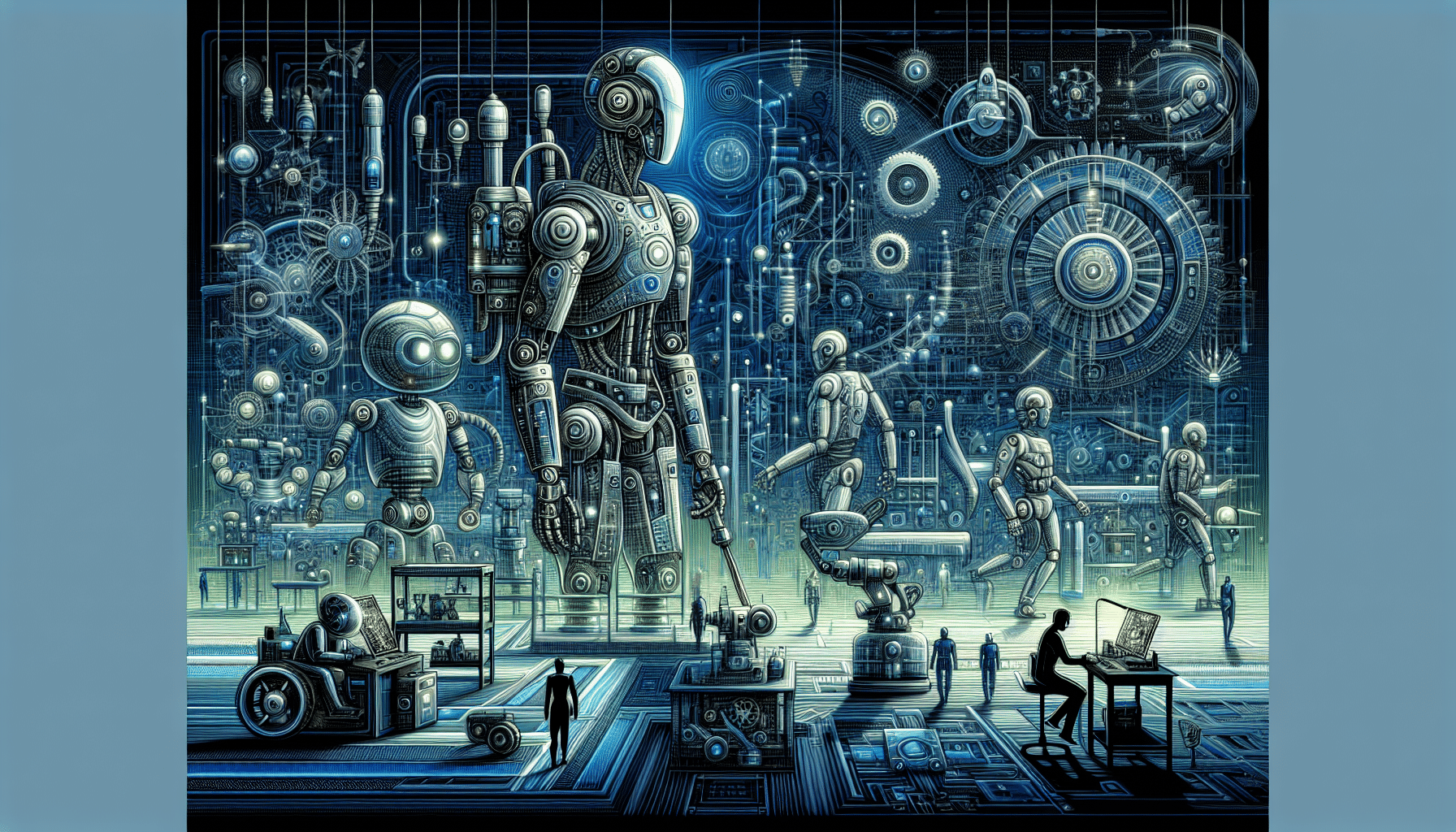
The ethical challenges of robotics
Robotics raises complex ethical issues, particularly concerning the rights of robots and their impact on human beings. Here are some of the major ethical issues:
- Privacy: Robots are often equipped with cameras and sensors, raising privacy concerns. It is crucial to ensure that data collected by robots is not misused.
- Liability: Who is liable when a robot causes damage? Is it the owner, the designer, or the robot itself? It's important to define legal responsibilities to deal with the potential consequences of robot actions.
- Discrimination: Robots can be programmed to make decisions, but how can we ensure that they are not biased or discriminatory? Ethical rules need to be developed to ensure that robots act fairly and equitably.
The legal challenges of robotics
In addition to ethical issues, robotics also poses significant legal challenges. Here are some of the key legal issues:
- Intellectual property: Can robots create original works that can be protected by copyright? Laws need to be adapted to regulate the intellectual property generated by robots.
- Civil liability: Who is liable in the event of an accident caused by a robot? Current laws need to be revised to determine legal responsibilities in the event of damage caused by autonomous robots.
- Workers' rights: As jobs become increasingly automated, it is important to protect workers' rights. Labor laws must evolve to adapt to this new reality.
In conclusion, robotics raises complex ethical and legal issues that require careful consideration. It is essential to put in place appropriate regulations to govern the use of robots, guarantee the protection of privacy, avoid discrimination and establish clear responsibilities. In this way, we can reap the full benefits of robotics while protecting the fundamental rights of individuals.
 French (France)
  French (Canada)
  French (Belgium)
  English
  German
  Spanish